Available courses

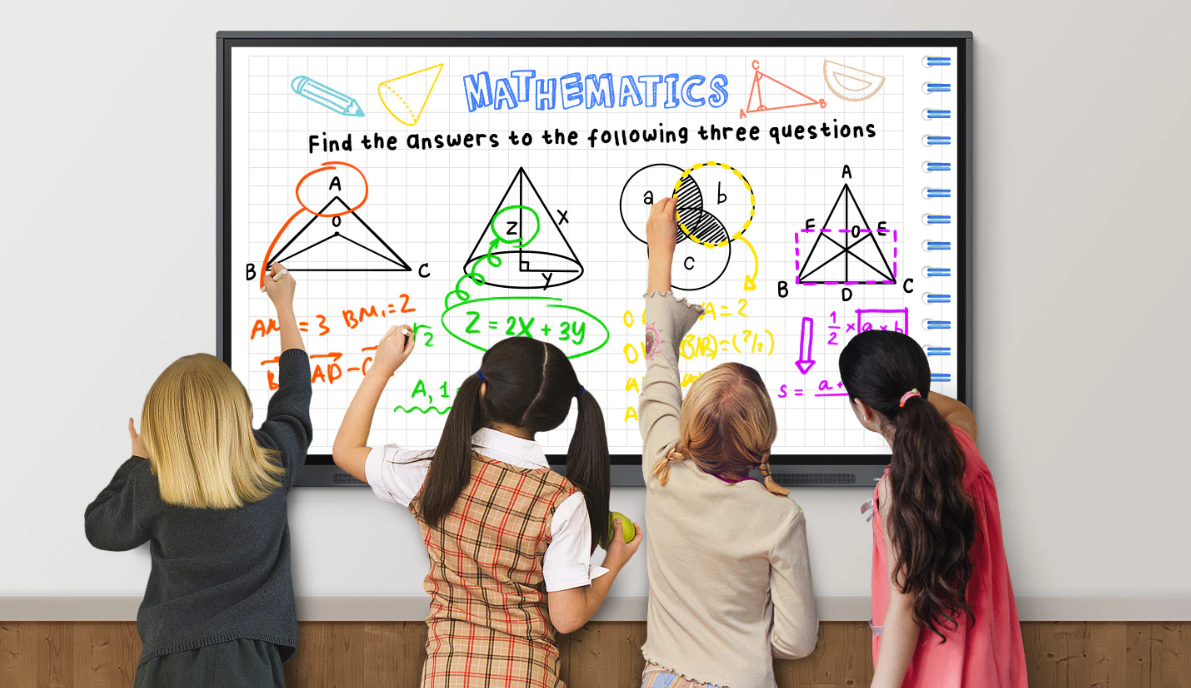
This course is designed to equip educators with practical strategies to create highly interactive, technology-enabled classrooms using LearnerBit and interactive board integration. Through real subject-based classroom scenarios, teachers will learn how to transform traditional lessons into engaging, student-centered learning experiences.

Participants will explore how to manage digital attendance, monitor live student progress, conduct timed assessments, facilitate collaborative group tasks, analyze common mistakes, integrate interactive reading, and enhance video-based instruction. Each module demonstrates how real-time data, student screen-sharing, instant polling, and structured reflection can strengthen engagement, improve understanding, and personalize instruction.

By the end of this course, teachers will be able to confidently:

  • Integrate LearnerBit into daily classroom practice

  • Use live analytics to support differentiated instruction

  • Promote active participation and peer learning

  • Design interactive lessons across different subjects

  • Use digital tools to enhance assessment and feedback

This course combines pedagogy with practical implementation, ensuring teachers can immediately apply these strategies in their classrooms to create connected, collaborative, and data-informed learning environments.

testing  fro samsung

testing  fro samsung

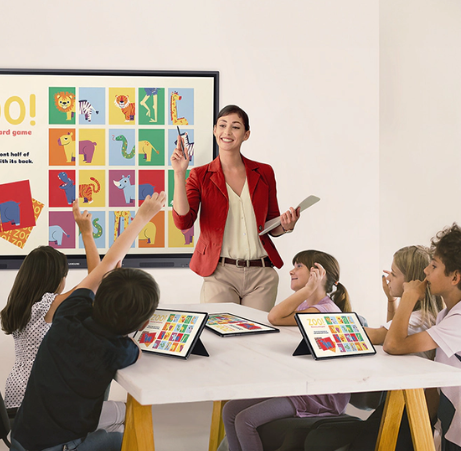
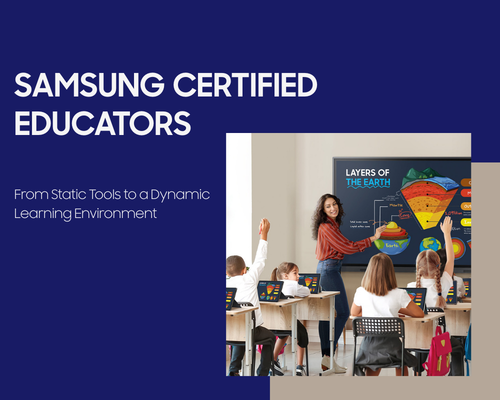
The Samsung Certified Educators Course empowers educators to confidently master core Samsung hardware, including Galaxy Tab, S Pen, Samsung Flip, and Freestyle, for effective classroom use. Participants will explore Samsung’s smart tools and AI-powered features—such as Bixby Vision, Math Solve, Handwriting Help, and Bixby Routines—to personalize learning experiences and streamline daily teaching tasks. The course also focuses on building a sustainable and secure technology workflow through tools like Samsung Knox, Device Care, and Quick Share. As a capstone requirement, educators will design and implement an innovative, original lesson plan that demonstrates practical classroom integration. Graduates of the program emerge as leaders of digital transformation, equipped to drive meaningful technology adoption within their schools and the wider educational community.

Structured Programming is one of the foundational courses in computer science that introduces learners to the essential concepts of problem-solving and program design. This course focuses on developing the ability to write efficient, readable, and maintainable code using a structured approach.

You will learn how to use variables, data types, operators, control structures (such as loops and conditionals), and functions to build modular programs. The course also emphasizes algorithmic thinking — how to analyze problems, break them into smaller parts, and translate them into logical program structures.

Through hands-on exercises and projects, you’ll gain experience with writing, debugging, and optimizing code. By the end of the course, you will be able to apply structured programming principles to real-world problems and lay a strong foundation for advanced programming paradigms such as object-oriented programming and data structures.

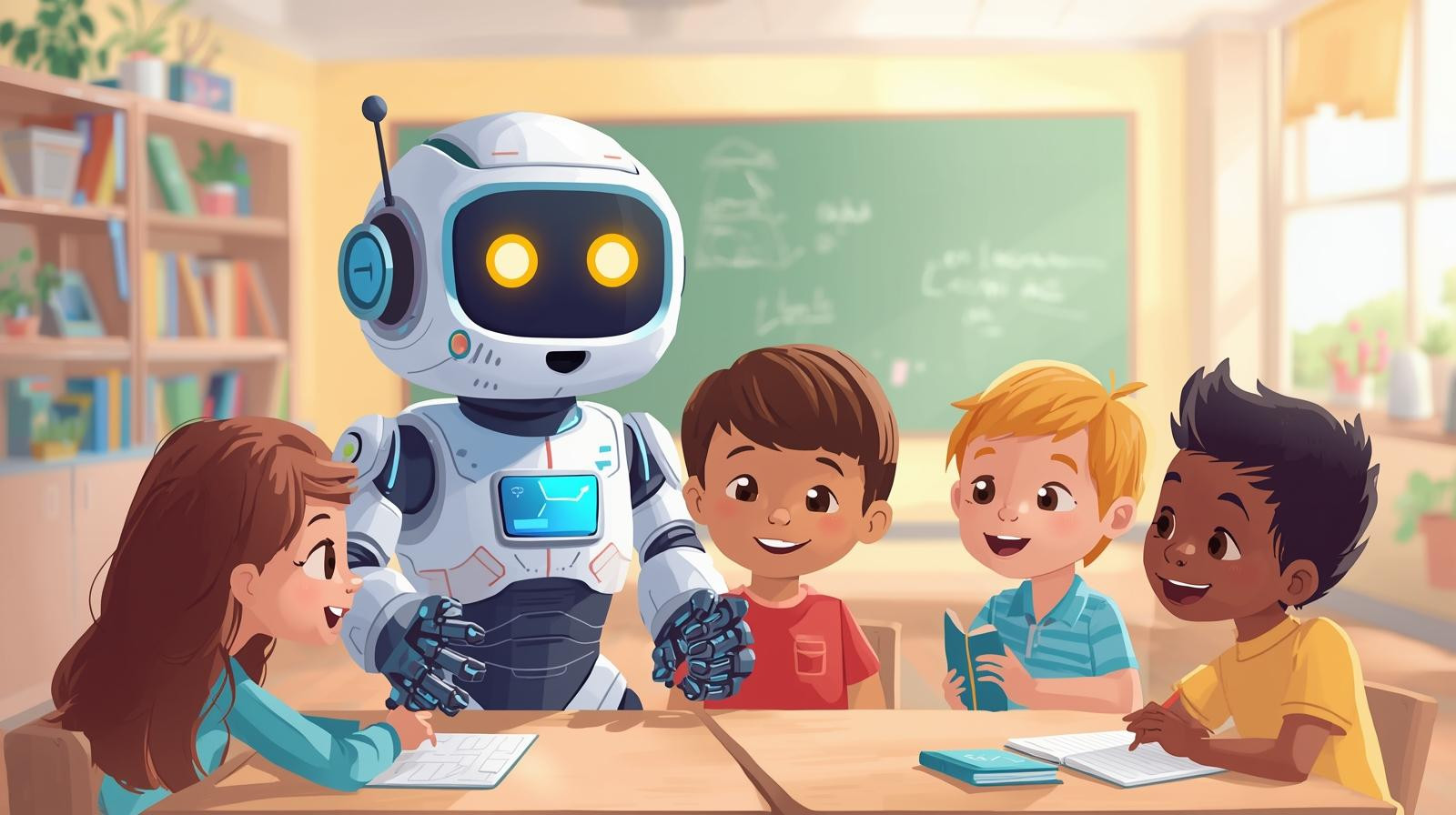
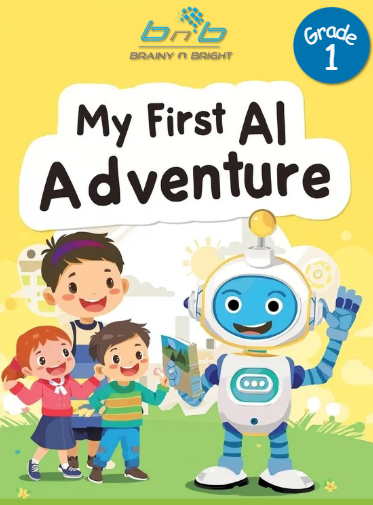
This course introduces Grade 1 students to the basics of Artificial Intelligence (AI) through fun stories, pictures, games, and simple activities. Students will learn how machines can “think,” “see,” and “help people” in their daily lives using examples they already know, such as voice assistants and smart devices. The course focuses on curiosity, creativity, and safe technology use, without any coding or technical terms.

This is a test course.